



Packaging trends for 2027: What brands need to get right
Written by Suzy Gedney, UK Marketing Manager | 27 July 2026

Packaging is playing an increasingly important role in how businesses respond to changing market demands. UK businesses are balancing rising costs, new and changing regulations and increased consumer expectations, all while looking for new ways to improve efficiency, strengthen customer relationships and protect their brand reputation and products.
Sustainability is no longer a differentiator, it's an expectation. While reducing plastic and improving environmental performance remain critical, the conversation is expanding. As we move towards 2027, the most effective packaging solutions will be those that combine sustainability with regulatory compliance, operational efficiency, and an enhanced customer experience, helping brands meet the demands of both consumers and the wider value chain.
The businesses that get ahead won't necessarily be the ones making dramatic changes overnight. More often, they'll be the brands taking practical, incremental steps today that improve efficiency, reduce waste and prepare for tomorrow's challenges. As Lianne Pemberton, UK&I Sustainability Lead at Smurfit Westrock, explains: “In practice, some of the biggest improvements come from getting the basics right. Reducing unnecessary material, simplifying packaging formats and making better use of transport space can all help businesses improve efficiency while preparing for changing regulations".
Key insights:
- Circular packaging is becoming a business necessity, not just a sustainability goal.
- Regulatory changes are pushing brands to rethink packaging design and materials.
- Smart packaging technologies are transforming customer engagement.
- Consumers expect greater transparency and proof of sustainability claims.
- Inclusive packaging design is becoming a competitive advantage.
- Brands are balancing sustainability, compliance, cost efficiency, and performance.
- Packaging is evolving from a protective layer into a strategic brand asset.
The shift towards circularity
For a long time, the focus around sustainable packaging has centred on one question: is it recyclable?
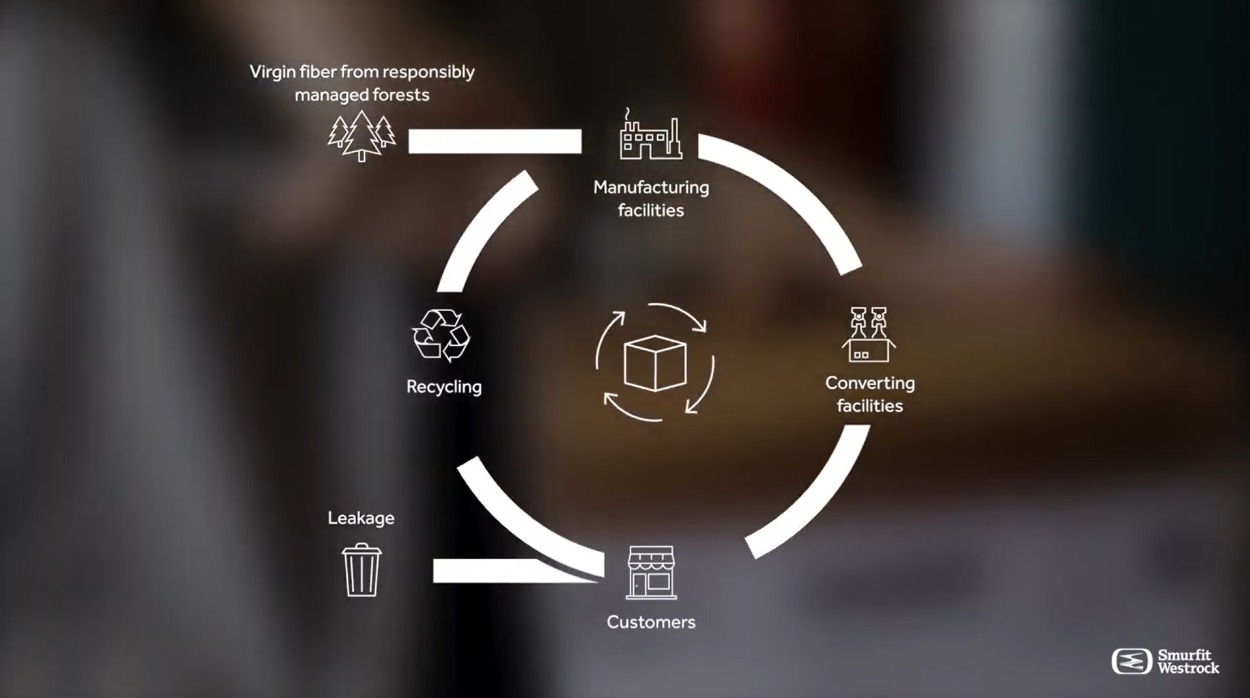
While that still matters - and likely always will - expectations are evolving. Brands are increasingly being judged on the entire lifecycle of their packaging, from the materials used and where they come from, to what happens after use.
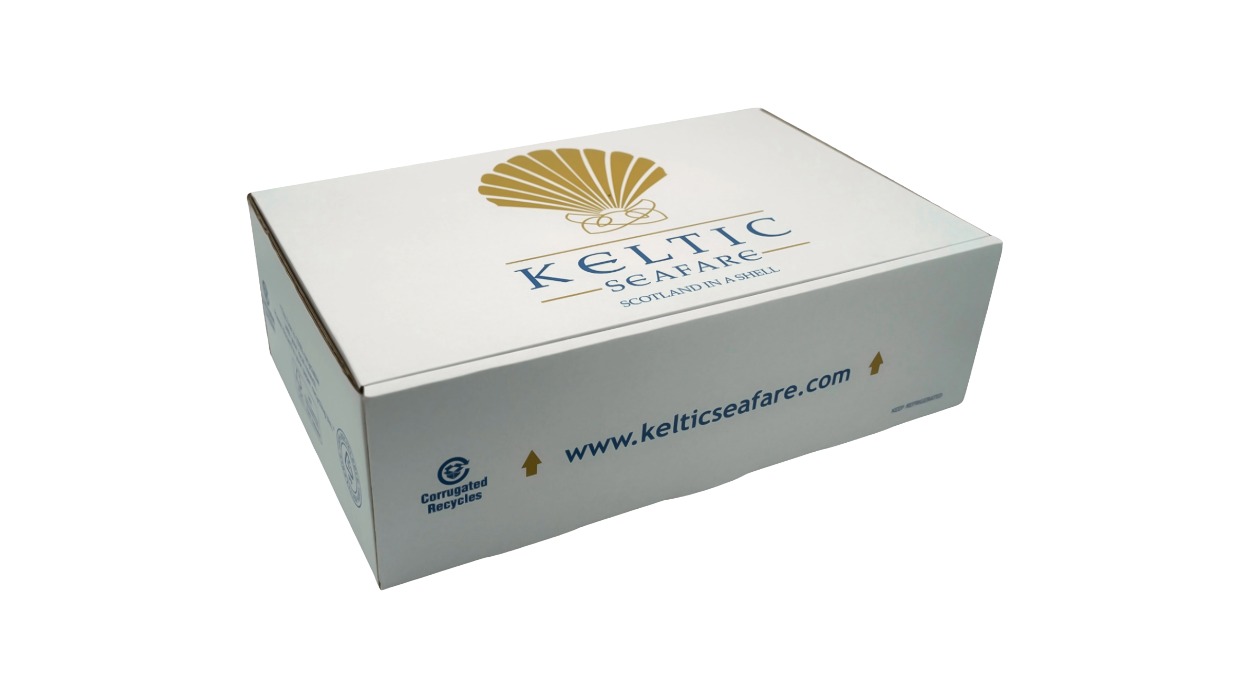
Consumers are becoming more aware of circular business models and are looking beyond broad sustainability claims. In fact, when brands communicate the amount of recycled content used, it gives consumers a reason to pay a premium and increases their likelihood of purchase (Mintel). Keltic Seafare embraced this and developed a sustainable seafood packaging solution (with our help) designed to work within existing recycling systems.
“Packaging is increasingly being developed with compliance and circularity in mind from the very beginning. That means optimising material usage wherever possible while prioritising fibre-based solutions that are widely recyclable and aligned with evolving legislation and retailer sustainability targets,” comments Tony Roome, Fresh Produce South Regional Sales Manager, Smurfit Westrock.
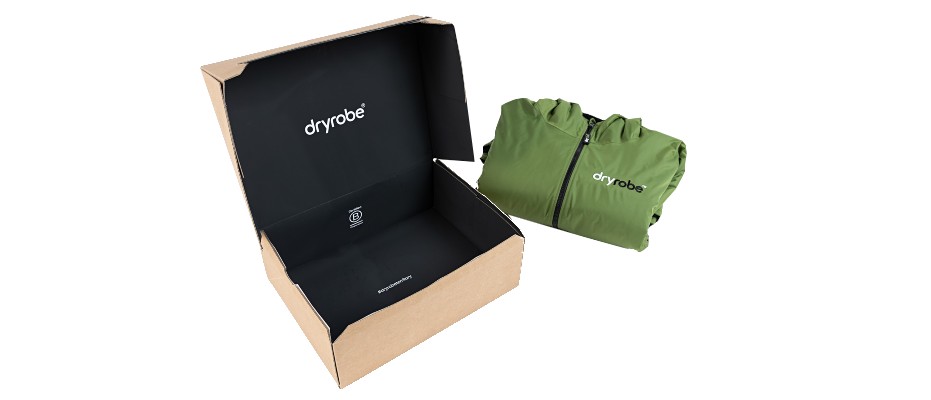
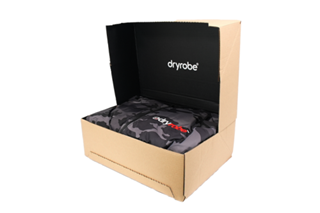
What’s more, research and experience also show brands are looking at how packaging can actively reduce environmental impact throughout the supply chain. Dryrobe achieved a 25-tonne carbon reduction after introducing a new packaging design, demonstrating how well-thought-out packaging choices can contribute to broader sustainability goals.
Getting ahead of regulation
Regulation is no longer a future challenge. It's already shaping packaging decisions today.
From Extended Producer Responsibility (EPR) to broader packaging reforms, businesses are under growing pressure to understand the materials they use, reduce waste and demonstrate compliance.
The challenge for many UK businesses is that regulatory change rarely arrives in isolation. New requirements often create knock-on effects across packaging design, supply chains, budgets and customer experience. Businesses that wait until regulations become unavoidable often face rushed decisions, unexpected costs and last-minute redesigns.
"The brands in the strongest position are those taking action now. By reviewing packaging formats, simplifying material choices and understanding the direction of travel, they're reducing complexity and putting themselves in a much better position to respond as the legislation continues to evolve" comments Lianne.
Research shows that 43% of UK businesses surveyed were aware of upcoming packaging reforms but felt unprepared, while a further 14% were unaware and unprepared (Circular Online).

Forward-thinking brands are increasingly treating compliance as part of their long-term packaging strategy rather than a box-ticking exercise. When Closer Pets needed Amazon-certified packaging for a new product range, Smurfit Westrock developed a cost-effective corrugated solution that met Amazon's Frustration-Free Packaging requirements, passed ISTA transit testing and improved the customer experience.
Amazon Certified Packaging simply means packaging that has been designed and tested to travel through Amazon’s fulfilment network without needing an additional outer box or bag. For brands, this can help reduce unnecessary packaging, cut material use and create a better customer experience, while still ensuring products arrive protected. It’s an example of how smarter packaging design can improve efficiency without compromising performance.
By planning ahead, businesses can reduce risk, avoid unnecessary costs and create packaging that's ready for both today's requirements and tomorrow's changes.
Smarter, connected packaging
Packaging has always been used to communicate information, but it's increasingly being used to create experiences.
QR codes, personalised content, loyalty programmes and interactive campaigns are transforming packaging into an extension of the customer journey. For consumers, scanning a pack has become second nature. In fact, four in five Brits actively engage with connected technologies such as QR codes, visual search and augmented reality (Merkle).
But the opportunity extends far beyond marketing.
Connected packaging can help businesses provide product information, offer usage guidance, simplify returns, share sustainability credentials and deliver personalised experiences long after the point of purchase.
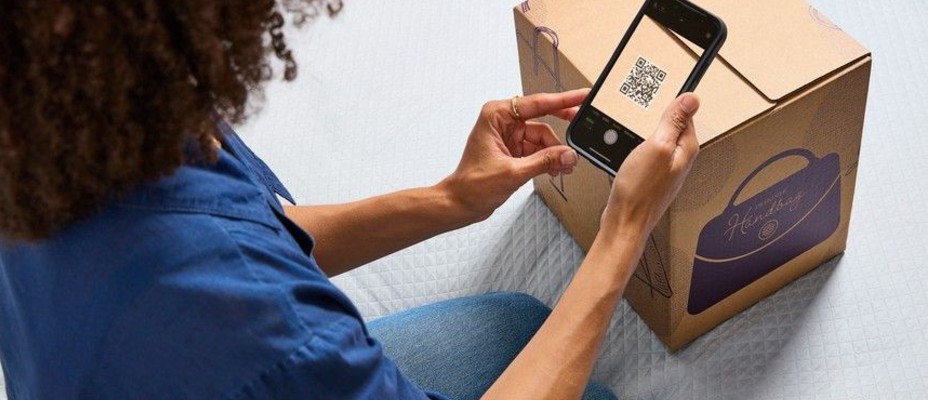
For meal kit providers, packaging can provide preparation instructions with a quick scan. For retailers, it can deliver product authentication or loyalty rewards. For manufacturers, it creates opportunities to collect insights and strengthen customer relationships.
As connected packaging becomes more common, brands that embrace it will be able to create richer experiences and generate greater value from every pack they produce. Unlike traditional printed materials, where information such as leaflets or inserts is fixed once produced, digital elements such as QR codes can be updated instantly. This gives brands greater flexibility to share the most relevant information at any point, whether that’s updated product details, sustainability information, promotions, recipes or guidance - without needing to redesign and reprint packaging. It also allows packaging to become a more dynamic touchpoint, helping brands build stronger relationships with customers while gaining valuable insights into how people engage with their products.
Packaging for every touchpoint
The customer journey is becoming increasingly complex.
Consumers might discover a product through social media, purchase it through an online marketplace, receive it at home and then share their unboxing experience online before ever stepping inside a shop.
Suzy Gedney, UK Marketing Manager at Smurfit Westrock, says: "I believe the customer journey has never been more connected. A customer might discover a product on social media, buy it through an online marketplace, and then share their unboxing experience with thousands of others in an instant. Every interaction shapes how they feel about a brand, and those feelings increasingly influence purchasing decisions. Positive emotional experiences build trust, create loyalty and turn customers into advocates. That's why packaging has become so much more than a way to protect a product. It's one of the few brand touchpoints that customers physically hold, experience and remember. It needs to perform seamlessly at every stage of the journey, creating a consistent, memorable experience that builds trust, reinforces the brand, builds an emotional connection and keeps customers coming back."
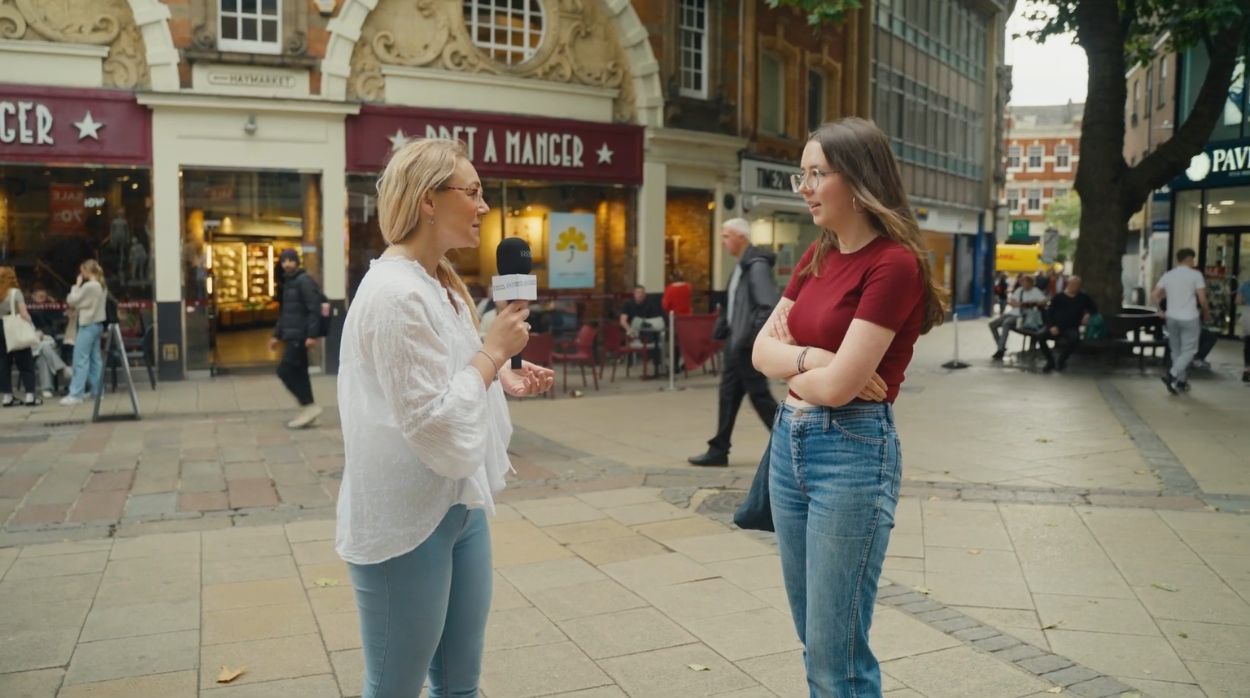
According to RetailEconomics, 75% of consumers use both digital and physical touchpoints within the same shopping journey. As a result, brands can no longer think about retail packaging and eCommerce packaging as separate solutions/projects. Packaging needs to protect products in transit, perform on the shelf, support fulfilment requirements, deliver a positive customer experience when it arrives, be suitable for social sharing, speed up in-store replenishment, meet growing retailer demands, withstand the varying transport options available, etc. Every touchpoint and journey matters.
The most successful brands in 2027 are likely to be those that create packaging solutions that work seamlessly across multiple channels, rather than treating each touchpoint as a separate experience.
Operational efficiency becomes a competitive advantage
While conversations around packaging often focus on sustainability and customer experience, another trend is becoming increasingly important: efficiency.
Businesses are looking for packaging solutions that not only look better or function better in terms of environmental performance but also help reduce costs throughout the supply chain. Paul Chillery, UK eCommerce Director at Smurfit Westrock explains: “As operational costs continue to rise, businesses are looking more closely at packaging optimisation. Right-sized corrugated packaging can help reduce void fill, improve pallet efficiency and make better use of transport space while still protecting products effectively.”
From reducing transport costs and improving pallet utilisation to minimising product damage and streamlining packing processes, packaging design can significantly impact operational performance. Iron Mountain experienced this first-hand when it developed a returnable postal packaging solution that helped streamline its supply chain.
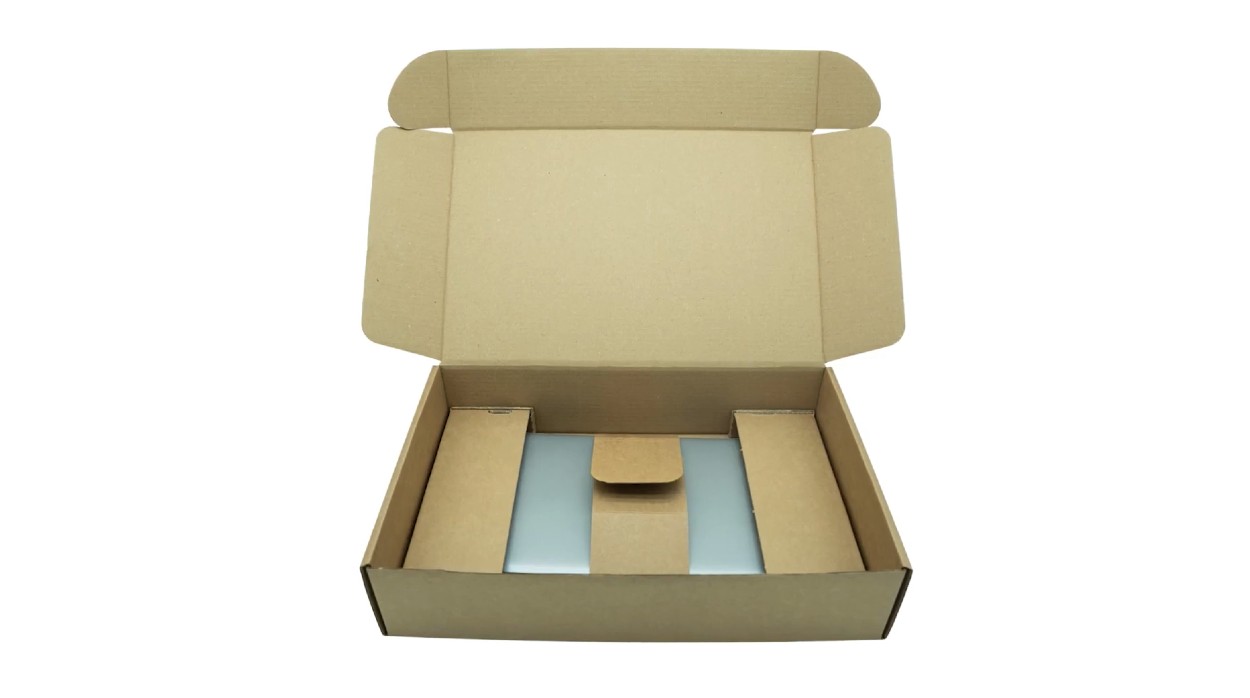
As margins come under greater pressure, brands will increasingly look for solutions that balance sustainability, compliance and customer expectations while improving efficiency behind the scenes. The most effective packaging won't simply help products reach customers safely. It will help businesses move, store and manage products more efficiently at every stage of the journey.
“Rising costs are forcing businesses to look harder at how packaging actually performs - not just what it looks like, or the price of the box. The cost of the packaging itself is only the visible part. The bigger issue is the hidden cost beneath it: unused shelf space, poor case counts, weak palletisation, slow packing speeds, unstable cases and unnecessary handling. Get the packaging wrong and the total bill stays high”, comments Richard Davies, UK Retail Director, Smurfit Westrock.
For many brands, operational efficiency could become one of the biggest competitive advantages hidden within their packaging strategy.
Earning trust through transparency
Trust has become one of the most valuable assets a brand can build.
As consumers pay closer attention to environmental claims, product sourcing and sustainability credentials, expectations around transparency continue to grow.
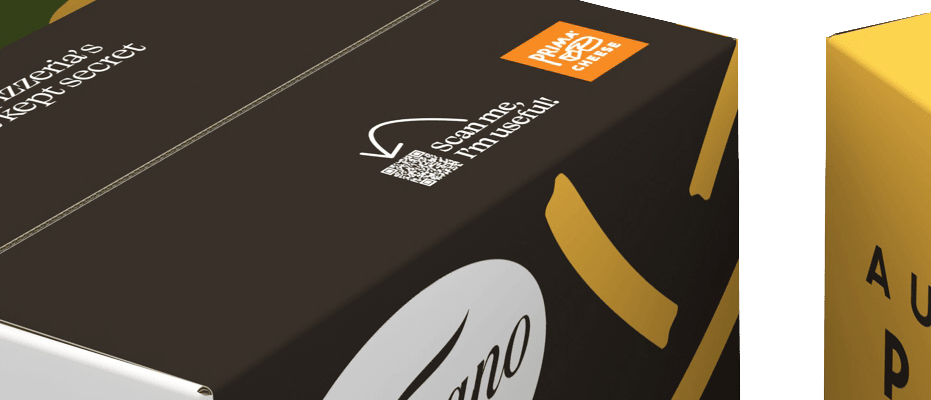
As of March 2024, over half of UK consumers surveyed said they would find it useful if packaging included a QR code providing access to product origin and sustainability information (GS1 UK). Consumers no longer simply accept sustainability claims at face value - they increasingly want proof.
"Ultimately, clarity is becoming just as important as the claim itself. Brands need confidence that every sustainability claim is transparent, evidence-based and capable of withstanding increasing regulatory, retailer and consumer scrutiny." reflects Lianne.
Packaging can help provide that evidence through clear recycling instructions, material information, supply chain transparency and direct access to supporting information.
This is where connected packaging and transparency begin to overlap. A QR code can provide far more than product information - it can demonstrate accountability. Brands that communicate clearly and back up their claims are more likely to build trust, strengthen customer relationships and differentiate themselves in competitive markets.
Packaging is increasingly becoming the evidence, not the advertisement.
Turning packaging trends into 2027 success
The packaging trends shaping the journey towards 2027 all point to the same conclusion: packaging is becoming one of the most important strategic decisions a business can make.
Circularity, regulation, connected experiences, operational efficiency and transparency are no longer standalone considerations. They're increasingly interconnected. Decisions made in one area often influence performance in another.
Businesses that start preparing now will be in a stronger position to respond to changing regulations, meet evolving customer expectations and create packaging solutions that support long-term growth.
For decades, packaging has often been treated as one of the final stages of product development. By 2027, the most successful brands will view it very differently. They'll use packaging to improve efficiency, support compliance, strengthen trust, enhance the customer experience, and create a long-term competitive advantage from the outset.
The question won't be whether businesses can afford to rethink their packaging.
It will be a question of whether they can afford not to.
At Smurfit Westrock, we work with businesses to turn emerging trends into practical packaging solutions, creating designs that are ready for tomorrow's challenges while delivering value today.
Get in touch to start your packaging journey with us.