












How to choose the best packaging to protect your home improvement products
Written by Suzy Gedney, UK Marketing Manager | 2 February 2026
With 79% of adults preferring smaller home updates over full renovations (Mintel), the home improvement market is shifting towards projects that are quicker, more frequent and easier to complete. As more of these purchases move online, packaging has become a far more visible part of the customer journey - influencing how quality and value are judged before a product is even used.
Packaging is no longer just about protection. It shapes the first impression, signalling care, quality and sustainability the moment a product arrives. And with the home décor market forecast to grow from £18.5 billion to over £24 billion by 2031 (Mordor Intelligence), expectations around how these products are packaged, presented and delivered are only set to rise.
What home improvement packaging must handle
A large number of home improvement products are heavy, fragile or awkwardly shaped, which means packaging has to work hard from the moment items leave the warehouse.
Damage can happen at any stage - during storage, handling or last‑mile delivery - and even small weaknesses in packaging can quickly lead to costly breakages.
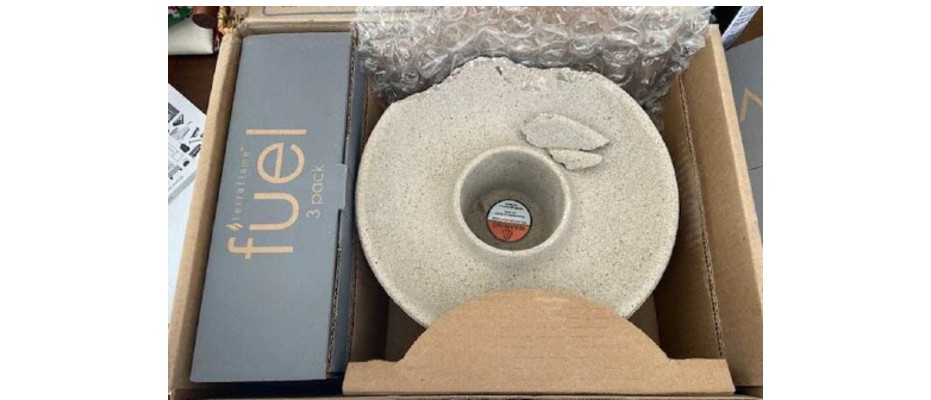
Storing and shipping home improvement products in the UK adds further complexity. Damp weather, outdoor storage and frequent handling increase the risk of moisture damage and compression failure, particularly when products are stacked or palletised.
Packaging must withstand varied handling environments, including merchant yards, retail stockrooms and courier networks, where products may pass through multiple touchpoints and environments before reaching the end customer.
Why corrugated packaging is built for the job
Corrugated packaging is designed to take the knocks that home improvement products often face. It offers the structural strength and impact resistance needed to protect items in demanding conditions, and with fluting options such as A, B, C and double wall, it can be engineered to suit different weights, shapes and fragility levels.
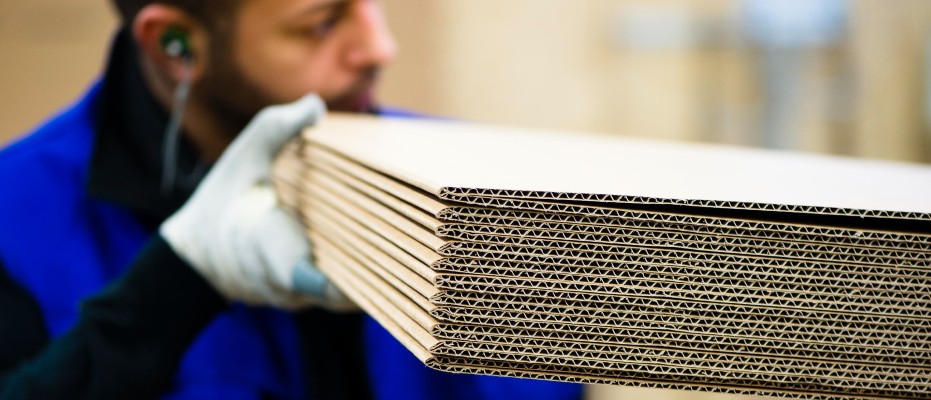
Innovative corrugated solutions, including honeycomb packaging, deliver high compression strength, to keep products secure when stacked and transported. Cardboard inserts and bespoke corrugated fitments help absorb shocks during handling - something single layer cardboard and some plastic materials don’t always manage as effectively.

Corrugated packaging also provides an effective alternative to expanded polystyrene (EPS) cushioning, a material widely used in this sector.
By replacing EPS, businesses can reduce reliance on single‑use plastics while maintaining product protection, improving recyclability and supporting compliance with Extended Producer Responsibility (EPR) requirements - potentially lowering EPR fees and reducing environmental impact.
Designing packaging around the home improvement products
Home improvement products come in all shapes and sizes, from tiles and flooring to paints, fittings and tools - and each brings its own risks during transit. To protect them properly, packaging needs to be designed around product weight, fragility and how items are handled throughout the journey.
For example, tiles often require protective buffers to absorb impact, while heavier flooring increases box weight and calls for stronger materials. By designing corrugated packaging around the specific needs of each product, material use and costs can be reduced without compromising protection.
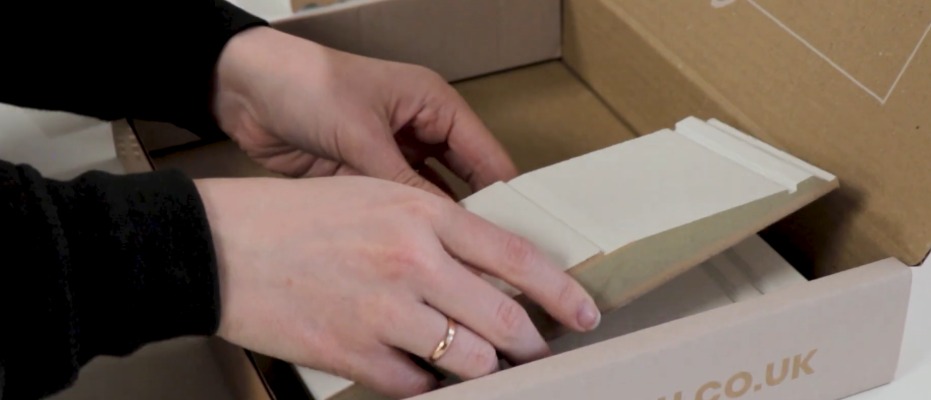
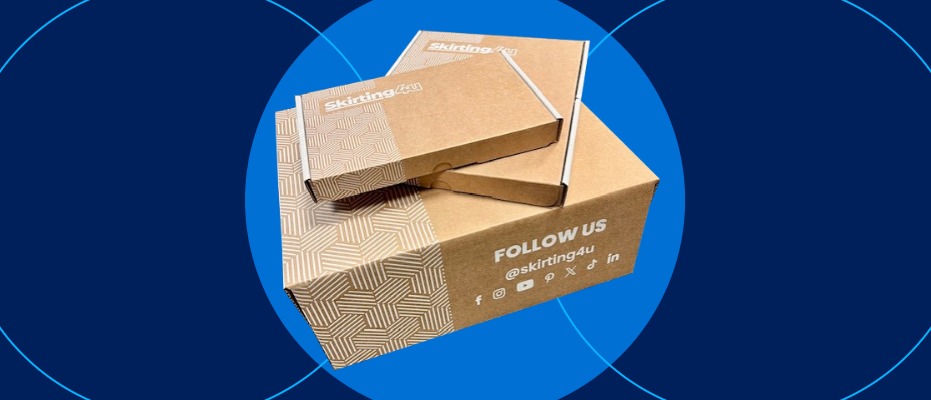
This tailored approach was adopted by Skirting 4 U, who moved away from bubble mailer bags to a corrugated packaging solution that keeps skirting board samples safe and secure in transit, while also enhancing brand presentation and sustainability credentials.
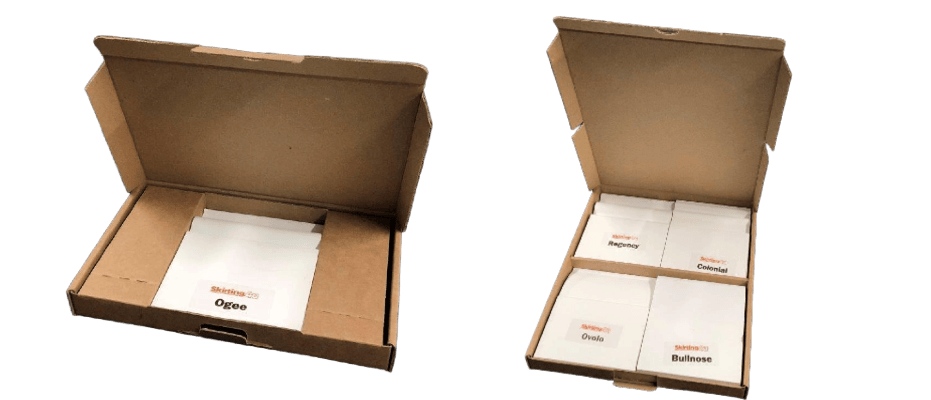
Packaging can also play an important role in shaping the customer experience once products arrive. It can act as a guide during installation or assembly, with printed instructions, layout references or packaging that doubles as a physical template. Supporting the customer journey from delivery through to setup reduces frustration and helps products integrate more smoothly into everyday life.
Designing packaging around the product is as much about customer experience as it is about protection. As Suzy Gedney, UK Marketing Manager at Smurfit Westrock, explains: “When packaging is designed around the realities of the product - its weight, fragility and how it’s handled - it does more than protect what’s inside. It reduces waste, cuts unnecessary cost, and creates a better experience for customers from the moment their order arrives.”
Protective packaging that works across the entire supply chain
Today’s packaging has to work harder than ever, performing consistently across multiple channels. With 75% of consumers moving between both digital and physical touch points within the same shopping journey (RetailEconomics), expectations are shaped long before a product arrives.
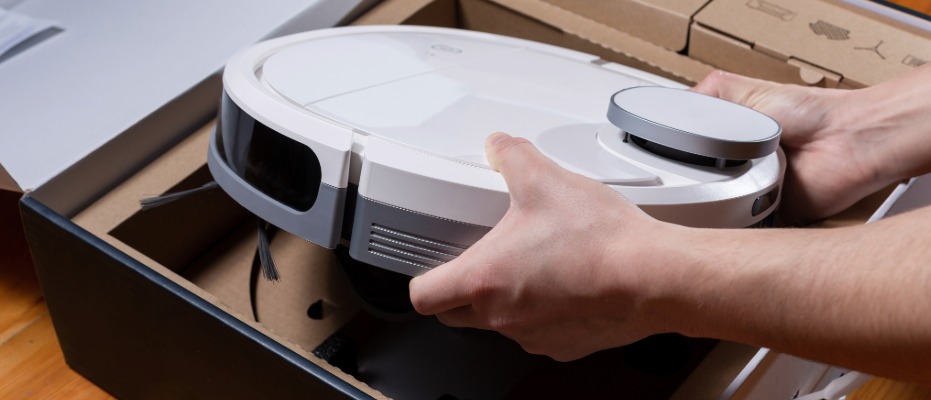
Social platforms like Instagram, Pinterest and TikTok continue to influence home improvement trends, increasing demand for products - and packaging - that look as good in real life as they do on screen. Designing packaging for a single channel is no longer enough.
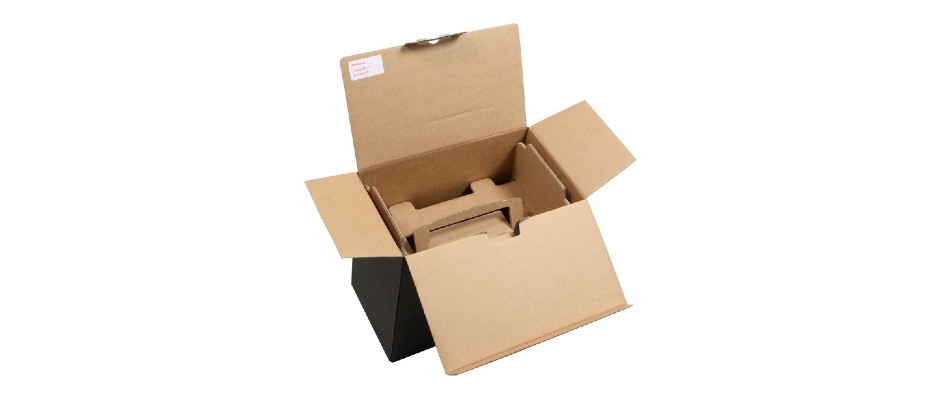
Whether products are destined for export, retail shelves or direct‑to‑consumer delivery, packaging needs to protect, perform and maintain its appearance throughout the supply chain. That means withstanding outdoor storage in merchant yards, maintaining a strong presence in retail environments and protecting products through courier handling by services such as Royal Mail, DPD and Evri.
When packaging is designed with the full supply chain in mind, products arrive intact and customer experiences remain consistent from first click to final delivery.
Perfectly sized, sustainable and compliant
Sustainability and compliance are central to packaging decisions. Industry-wide estimates suggest that up to 80% of packaging solutions across many sectors will need to be redesigned to meet PPWR and EPR regulations (BCG), putting pressure on businesses to rethink materials, formats and suppliers.

To meet these requirements, recyclable, FSC-sourced and paper-based solutions need to be prioritised - not only to stay compliant and reduce environmental impact, but to also meet the expectations of increasingly eco-conscious customers.
With so much change on the horizon, having a clear sustainability strategy is essential. Lianne Pemberton, UKI Sustainability Lead at Smurfit Westrock, shares her perspective: “Innovation is accelerating. Regulation, for all its challenges, is forcing better and earlier conversations about design. Customers are more engaged in understanding cost, carbon and compliance together - not in isolation. And circular materials give us a credible pathway toward long-term impact reduction.”
Custom designs and right-sized packaging help turn these challenges into opportunities. By reducing unnecessary material use, improving protection and lowering return rates, businesses can cut costs across manufacturing, storage and delivery.
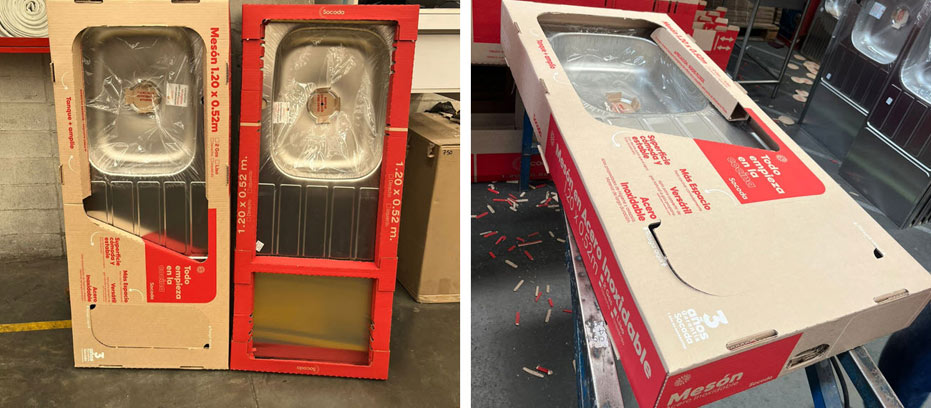
And with 56% of UK consumers saying they would value QR codes that provide access to product origin and sustainability information (GS1 UK), packaging also plays a key role in communicating these efforts clearly and transparently.
Testing for real world conditions
Packaging performance can be validated through ISTA testing, which simulates real‑world shipping conditions to identify weaknesses before they become costly problems.
By replicating the stresses of handling, stacking and moisture exposure, testing helps uncover where packaging may fail - and where designs can be refined to perform more reliably across the entire supply chain.
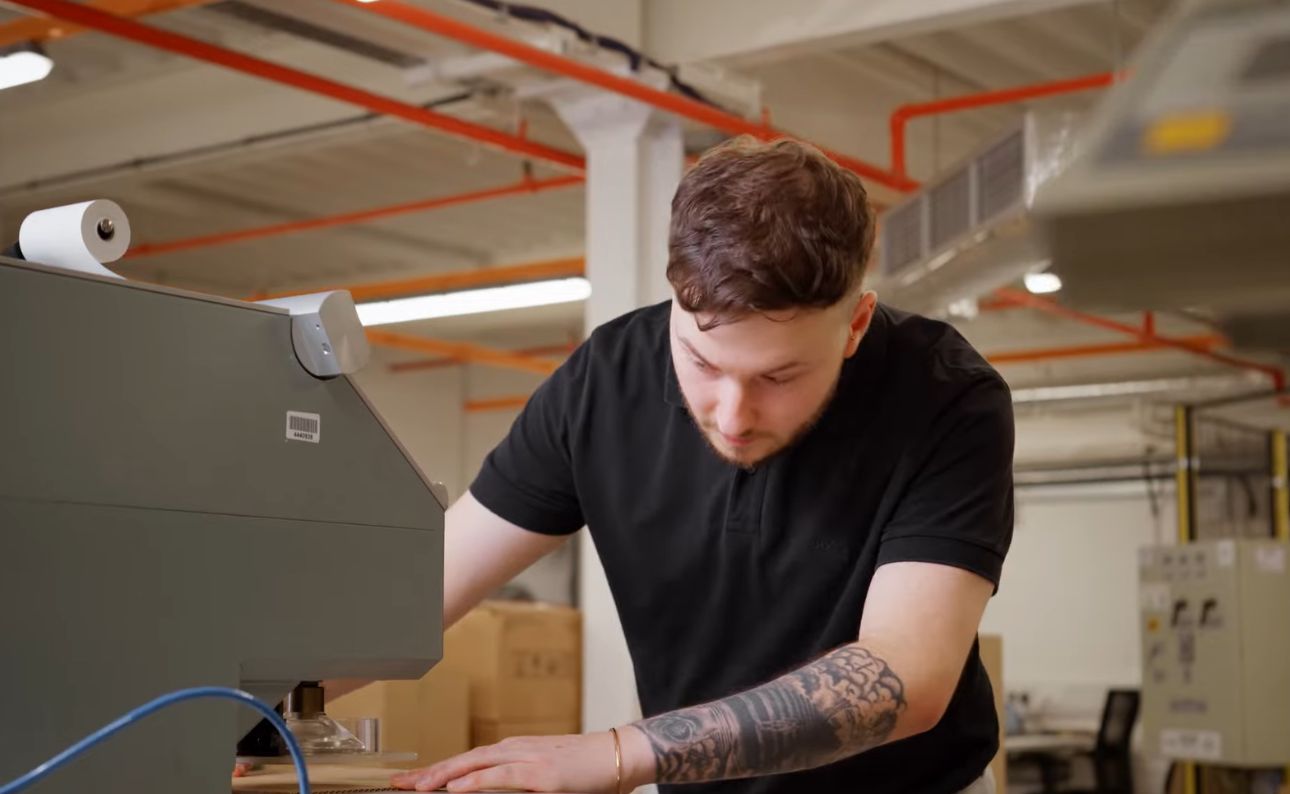
For businesses, this creates a clear opportunity to reduce damage, returns and avoidable waste before products reach customers. ISTA‑certified packaging provides confidence that items will arrive in perfect condition, protecting margins and brand reputation.
For companies supplying glass, decorative fittings or other delicate components, investing in tested packaging helps ensure products withstand both physical impact and moisture.
Checklist for protective packaging success
When choosing packaging for home improvement products, consider the following:
- Structural strength, compression resistance and moisture protection to prevent transit damage
- Packaging designed around product type, weight and fragility to reduce void fill and unnecessary costs
- Fit for purpose solutions that perform across retail, merchant, eCommerce and courier environments
- Recyclable, FSC sourced materials and plastic alternatives that support compliance and sustainability goals
- Clear instructions, easy unboxing and thoughtful design to enhance customer satisfaction and brand perception
A packaging partner that delivers
Choosing the right packaging partner helps ensure home improvement packaging does more than just protect products. It needs to perform reliably at every stage of the supply chain, meet compliance requirements and reflect the demands of increasingly eco‑conscious consumers.
At Smurfit Westrock, we combine packaging expertise, innovation and sustainable solutions to ensure home improvement products are delivered safely, efficiently and with maximum impact. Get in touch today to find out how the right packaging solution can protect products, impress customers and cut costs for your business.