









What is bespoke eCommerce packaging and why does it matter for online businesses?
Written by Emily Laughton-Hulatt, Marketing Communications Assistant | 7 May 2026

In eCommerce, the first physical interaction a customer has with a brand doesn’t happen in store - it happens on the doorstep. Before a product is touched, used or even seen properly, it’s judged by the packaging it arrives in.
With almost 59 million eCommerce users in the UK (Landmark Global) and 72% of consumers saying packaging design influences their buying decisions (LBB Online), there’s little room for error. Packaging isn’t just about protection; it plays a critical role in shaping customer perception, surviving the realities of courier delivery and controlling costs across the supply chain.
That’s why bespoke eCommerce packaging has become an increasingly important consideration for online businesses.
In this article:
- What is bespoke eCommerce packaging?
- Why can one size fits all packaging cost businesses more than they expect?
- How does bespoke eCommerce packaging improve performance across the supply chain?
- Is bespoke eCommerce packaging expensive, or a strategic investment?
- What should businesses consider when designing bespoke eCommerce packaging?
- How can businesses test bespoke eCommerce packaging for transit performance?
- How do sustainability and EPR regulations affect eCommerce packaging?
- Why is choosing the right eCommerce packaging supplier important?
- What should businesses look for when reviewing eCommerce packaging?
What is bespoke eCommerce packaging?
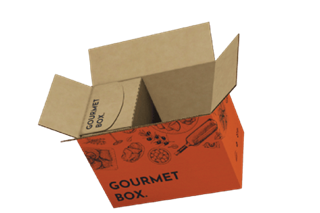
Bespoke eCommerce packaging is custom packaging designed for direct to consumer online orders, built around the product itself rather than forcing items into standard, off the shelf boxes.

Today’s shopping journeys are rarely linear. In fact, 75% of consumers use both digital and physical touchpoints within the same buying journey (RetailEconomics), and packaging forms a key part of that experience. Unlike standard solutions, bespoke eCommerce packaging allows businesses to tailor dimensions, structure, print and finish so packaging is fully branded, fit‑for‑purpose and aligned with practical requirements.
Put simply, bespoke packaging is built around the needs of both the product and the customer.
Why can one size fits all packaging cost businesses more than they expect?
While generic packaging solutions often appear cost‑effective at first, they’re rarely designed for the realities of eCommerce fulfilment.
One‑size‑fits‑all boxes are typically chosen for convenience rather than suitability. Excess void space often requires additional inserts or filler materials to stabilise products, increasing material usage, packing time and complexity on the packing line. Despite this extra effort, products can still arrive damaged, leading to returns, replacements and frustrated customers.

Using more corrugated material than necessary also has cost implications beyond the packing line. Under Extended Producer Responsibility (EPR) regulations, excess material can push packaging costs higher than they need to be, adding further pressure to already tight margins.
Packaging size can also create unnecessary cost exposure. Couriers such as Royal Mail, DPD, Evri and Amazon price parcels using size and weight thresholds. Boxes that aren’t optimised for these thresholds can push shipments into higher pricing bands, meaning businesses pay more per order without any added value.
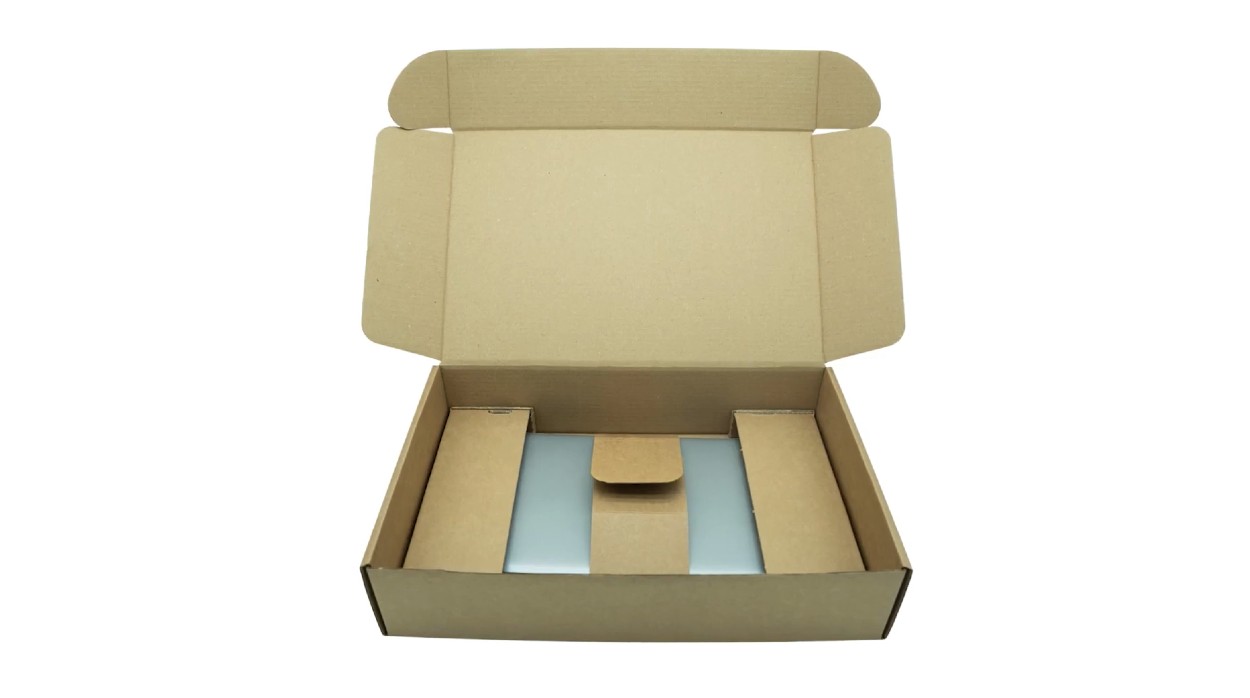
Over time, these small inefficiencies add up - quietly eroding margins, slowing fulfilment and complicating logistics. This is especially evident in return heavy operations. For example, Iron Mountain, a global leader in storage and information management services, moved away from multiple generic shipping boxes to a single returnable postal box, helping to simplify the returns process and reduce unnecessary packaging complexity.
How does bespoke eCommerce packaging improve performance across the supply chain?
Bespoke eCommerce packaging is designed to perform reliably from packing line to doorstep.
“As UK eCommerce continues to grow, brands are under more pressure than ever to deliver faster, reduce waste, and create a standout customer experience. And that all starts with smarter corrugated packaging.”
Paul Chillery, UK eCommerce Director at Smurfit Westrock.
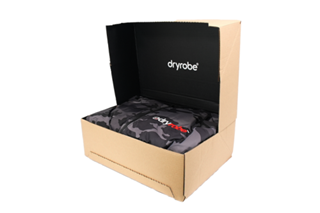
When packaging is built specifically for the product and delivery channel, it creates a more consistent experience across handling, transit and delivery. Products arrive in better condition, packs hold their shape, and packaging performs as intended throughout the journey.
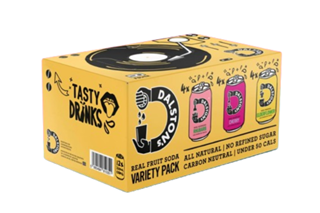
Beyond transit performance, bespoke packaging also plays a role in customer experience. Considered structural design, intuitive opening features and custom print finishes help create a more polished unboxing moment - reinforcing perceptions of quality and care that standard eCommerce mailer boxes often fail to deliver.

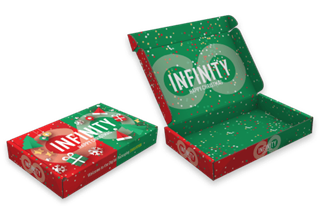
Rather than simply containing products, bespoke packaging supports dependable delivery, stronger brand presentation and a more consistent end to end experience. For example, viral sweet brand Poppin Candy, uses bespoke packaging for candy designed to perform through courier delivery while still creating a fun, on brand unboxing experience for consumers.
Is bespoke eCommerce packaging expensive, or a strategic investment?
The question many small and large businesses in the UK ask isn’t whether bespoke packaging works - it’s whether it’s worth the investment.
While bespoke eCommerce packaging can involve a higher upfront cost than generic alternatives, it’s designed to deliver value over time rather than short-term savings. Fit-for-purpose designs help reduce avoidable issues such as transit damage, inefficient packing processes and inconsistent customer experiences.
“Packaging plays a much bigger role than many businesses expect. It’s not just about getting products from A to B - it’s a key part of how customers experience a brand, and it can influence everything from perception to repeat purchase.”
Suzy Gedney, UK Marketing Manager at Smurfit Westrock.
In addition, bespoke packaging plays a role in brand positioning. Well-designed, premium packaging can elevate products, reinforce brand identity and signal care and quality to customers supporting increased sales.
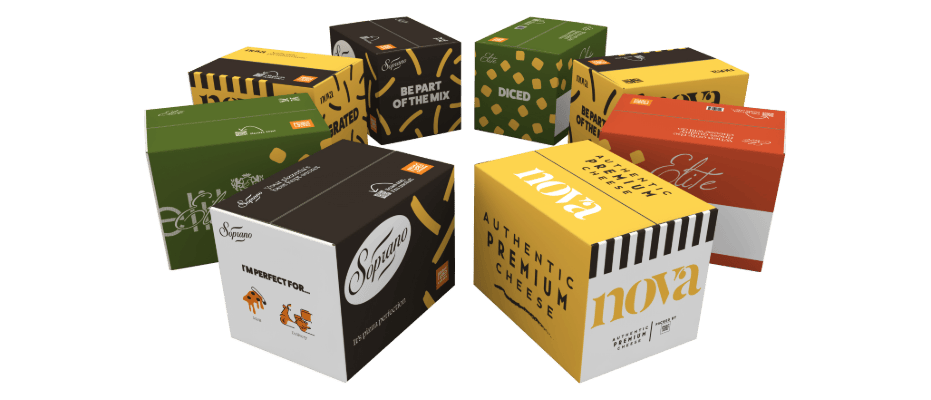
Bespoke eCommerce packaging is no longer just a cost to manage - it’s increasingly recognised as a strategic investment that improves efficiency, enhances the customer experience, and supports environmental sustainability goals, aligning with wider business priorities.
What should businesses consider when designing bespoke eCommerce packaging?
Effective bespoke eCommerce packaging needs to balance practicality, cost control and customer experience. Several key design considerations help ensure packaging performs throughout the supply chain:
- Courier and marketplace dimensions - Couriers such as Evri, DPD and Royal Mail operate different size thresholds and pricing structures. Optimising box dimensions helps control shipping costs and ensures packaging aligns with courier and marketplace requirements, whether selling through a brand website or an Amazon shop.
- Easy opening and returns - Packaging that’s easy to open, reseal and return can significantly improve customer satisfaction and simplify reverse logistics, particularly for high volume eCommerce operations. With 75% of UK adults believing brands should do more to make packaging easy for everybody to use, there’s a strong demand for user-friendly features (Mintel).
- Custom message printing - Custom printing reinforces brand identity, communicates product information and promotes social channels, turning packaging into an additional customer touchpoint.
- Seasonal and campaign flexibility - Seasonal packaging and limited edition designs help keep packaging fresh and relevant throughout the year, supporting campaigns and peak trading periods without compromising on quality.
- Protection and insulated options - For products that require additional protection or temperature control, insulated eCommerce packaging options and specialist materials can be incorporated into bespoke designs to maintain product integrity during transit.
How can businesses test bespoke eCommerce packaging for transit performance?
Before committing to large production runs, bespoke packaging designs can be tested to ensure they perform under real world conditions.
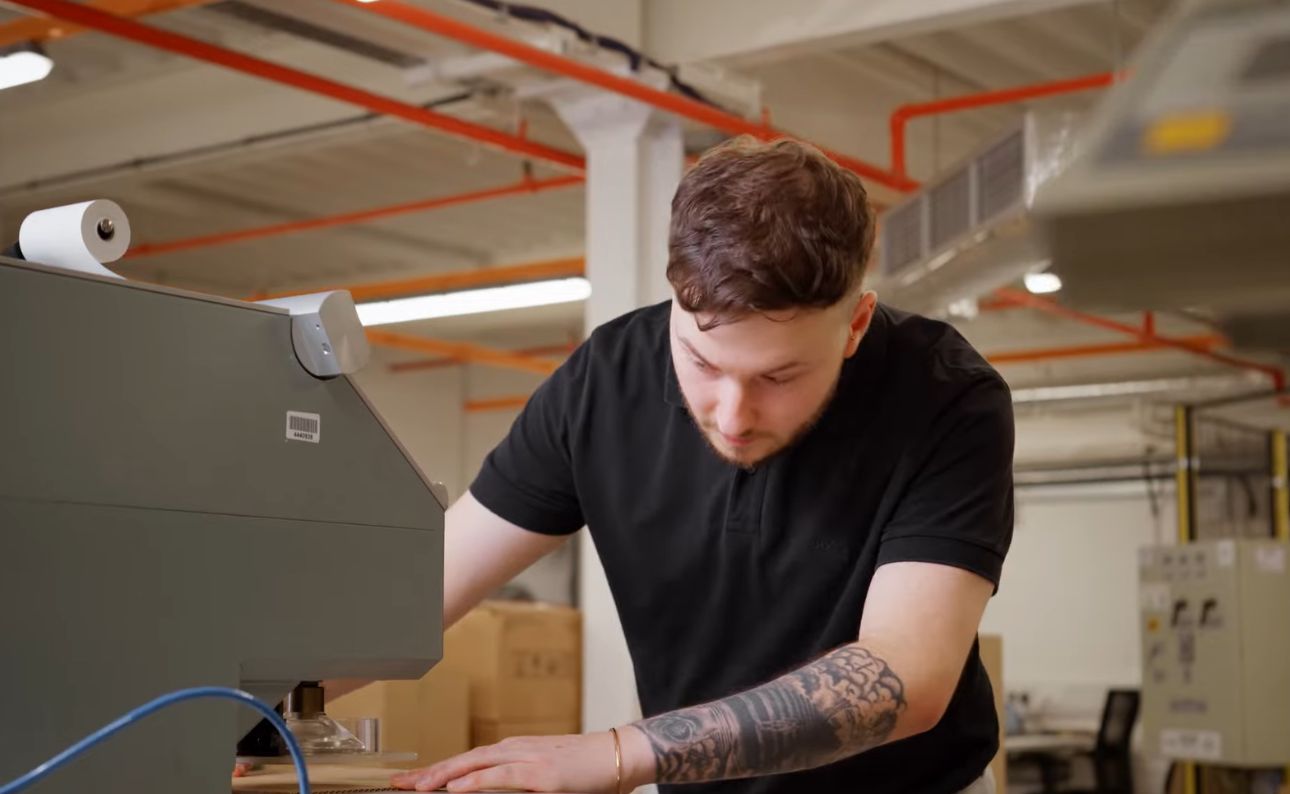
Compression testing assesses how well packaging withstands stacking during storage and transport, helping to determine whether boxes can handle pressure without crushing. ISTA packaging testing simulates the shocks, drops and impacts experienced during shipping, providing reassurance that packaging will protect products throughout the supply chain.
For products exposed to variable climates or temperature‑sensitive conditions, insulated packaging designs can also be tested to confirm they maintain thermal performance during transit. Alongside specialist coatings and moisture‑resistant materials, this helps create packaging solutions that protect products from heat, cold and damp environments.
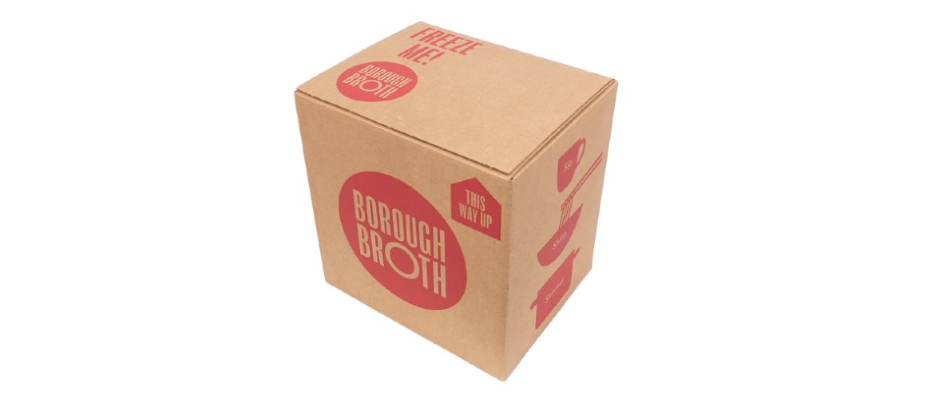
This is particularly relevant for online food deliveries. For example, Borough Broth, an award-winning bone broth producer, uses corrugated packaging with integrated insulation to distribute products nationally via courier networks while maintaining temperatures between 5–8°C on delivery.
Together, these tests reduce risk and provide confidence that bespoke packaging designs - including insulated options - will perform as intended from despatch to delivery.
How do sustainability and EPR regulations affect eCommerce packaging?
Sustainability and compliance are now central to packaging decisions. Extended Producer Responsibility (EPR) means UK businesses are increasingly accountable for the packaging they place on the market, with recyclability influencing associated fees.
Packaging design therefore becomes a financial consideration as well as an environmental one. Choosing recyclable, responsibly sourced materials can help manage EPR costs, support compliance and appeal to eco conscious consumers. This shift is reflected across the retail sector, with Drapers’ 2026 Sustainability and the Consumer report showing that consumers increasingly use packaging as a key proof point when judging a brand’s environmental credentials.
Corrugated packaging solutions, including FSC certified cardboard, offer a recyclable alternative without compromising on strength, design or finish.
Why is choosing the right eCommerce packaging supplier important?
Delivering consistent eCommerce performance depends not only on packaging design, but also on the partner behind it.
Businesses need a packaging supplier that offers design expertise, scalability and security of supply - particularly during peak periods and unexpected spikes in demand. Reliability, material availability and nationwide delivery all play a role in maintaining smooth operations.
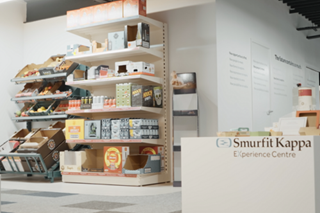
Smurfit Westrock is a leading packaging supplier in the UK, offering access to design expertise, sustainable materials and reliable supply across the country. Our teams work closely with businesses to create packaging that protects products, reinforces brand identity and supports sustainability goals - allowing businesses to focus on growth without worrying about shortages or delays.
What should businesses look for when reviewing eCommerce packaging?
When reviewing your eCommerce packaging, it’s worth asking whether:
- Packaging is designed around your product to reduce movement, damage and returns
- Box dimensions are optimised to minimise material usage and control courier costs
- Unboxing experiences and easy to use features support customer satisfaction and loyalty
- Materials are recyclable, responsibly sourced and aligned with EPR requirements
At Smurfit Westrock, we create bespoke eCommerce packaging solutions that combine innovation, customisation and sustainability - delivering packaging that performs throughout the supply chain and leaves a lasting impression with customers.
Get in touch to start your bespoke eCommerce packaging journey today.