






Black Friday Packaging UK 2026: 5 trends for retailers
Written by Suzy Gedney, UK Marketing Manager | Updated 12 October 2026

Black Friday 2025 saw spending hit £1.16 billion (Adobe for Business), with shoppers starting earlier, spending more strategically and expecting faster, smoother delivery experiences. Black Friday is just around the corner and with 43% of shoppers on the hunt for deals (Barclays), retailers are under pressure to stand out and deliver real value in an increasingly competitive retail environment.
Though price is a major factor, and many shoppers use Black Friday to bag themselves a bargain, ecommerce packaging also shapes how customers experience a brand. It’s evolved beyond a delivery tool, a way to get products from A to B safely. When considered alongside product quality, service and the wider shopping experience, packaging can help shape brand perception and create opportunities to encourage customer loyalty.
Key insights: Black Friday packaging in 2026
- Packaging can provide an additional marketing touchpoint, with digital print, personalisation and seasonal designs helping brands to stand out.
- The unboxing experience offers an opportunity to reinforce brand identity and create a positive impression, which may support customer retention when combined with a good overall experience.
- Connected packaging can link physical products with digital content, allowing brands to use interactive features to direct customers online.
- Packaging needs to balance presentation, performance, and protecting products, while delivering a consistent brand experience.
- Sustainability is an important business consideration, with retailers having to balance environmental expectations, packaging performance and changing regulations.
5 Black Friday packaging trends for 2026:
1. Right-sized packaging: Cutting costs, carbon and EPR fees
Right-sized packaging helps retailers use materials and transport space more efficiently. Choosing an appropriately sized box can reduce unnecessary packaging, improve storage and fulfilment efficiency, and help businesses manage material use and associated costs. It can also support businesses in reviewing their packaging against Extended Producer Responsibility (EPR) compliance and understanding how packaging choices may affect their EPR fees.
Using less material and using transport capacity more efficiently may reduce resource consumption and the space needed to store and move packaging. The scale of any savings or environmental benefits will depend on the packaging design, product, distribution model and wider supply chain.
"EPR is shifting packaging conversations from long-term ambition to practical decision-making. Materials that were previously considered acceptable are now being reviewed more closely for recyclability, recovery infrastructure, and overall packaging efficiency."
Lianne Pemberton, UKI Sustainability Lead at Smurfit Westrock
Important stat: 78% of UK consumers engaged in at least one circular activity other than recycling over the past year, such as repair, resale or product rental (Circular Online).
What works: Aligning packaging for ecommerce with courier specs (Royal Mail, Amazon, DPD) to avoid surcharges and reduce void fill.

Real-world example: Previously, Closer Pets introduced Amazon-certified ecommerce packaging that fits each product precisely - improving protection, cutting excess material, and enhancing the unboxing experience.
2. Custom printed packaging: Building brand recognition and repeat purchases
Retailers can use printed packaging to carry brand colours, messaging and visual identity through to the point of delivery. Rather than relying on packaging alone to generate loyalty or repeat purchases, businesses can use considered print design to create a more consistent brand experience and reinforce recognition.
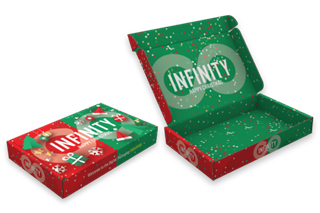
When thoughtfully designed, printed packaging can help products stand out and make an unboxing experience more distinctive. Personalised, seasonal or premium finishes can support a brand's positioning, although their impact on customer perception and purchasing behaviour varies
Important stat: 75% of consumers use both digital and physical touchpoints within the same shopping journey (Retail Economics), highlighting the role packaging can play in creating a consistent brand experience across channels.
What works: Choosing the right print process - flexo for high-volume efficiency, litho for premium finishes and digital for fast-turnaround, limited-edition or seasonal campaigns.

Real-world example: Pimentae’s litho-printed cocktail boxes combine bold, vibrant branding with a luxury feel that reflects their premium positioning, ensuring every delivery looks as good as it tastes.
3. Connected packaging: QR codes and seasonal designs that build loyalty
A lot of today’s packaging doesn’t just protect products; it’s building relationships. Many retailers have explored interactive elements like QR codes, personalised print, and limited-edition seasonal designs to turn packaging into a storytelling tool.

Seasonal or time-limited designs can create a distinctive presentation for a particular campaign. Where customers find the design appealing or relevant, it may also encourage social sharing and extend the campaign's reach beyond the initial purchase.
Important stat: Connected packaging, including gamification, helps build customer loyalty and support promotions for 57% of brands, while 59% use it to enable direct communication with customers (Appetite Creative).
What works: Packaging QR codes to unlock exclusive content - from loyalty rewards and behind-the-brand stories to product tutorials or sustainability info - adding lasting value beyond delivery.

Real-world example: Vinca Wine’s litho-printed “wine cracker” box combines playful, festive design with recyclable materials and a ribbon finish that makes every unboxing feel like a celebration.
4. Protective packaging: Reducing damage and returns in the Black Friday rush
Packaging failures can have consequences beyond the immediate cost of replacing a damaged product. Damaged deliveries may lead to additional handling, returns and refunds, while also creating a risk of customer dissatisfaction and reputational harm. The scale of these impacts will depend on the product, delivery circumstances and how effectively the issue is resolved.

Transit-safe, well-engineered packaging is designed to protect products through the delivery journey. By selecting packaging suited to the product's weight, fragility and distribution conditions, retailers can help manage the risk of damage, avoidable costs and disruption, particularly during busy periods such as Black Friday.
Important stat: Smurfit Westrock's ISTA-certified testing labs can simulate real-world transit hazards across ambient, chilled and frozen conditions, helping businesses validate packaging performance before it reaches the customer.

What works: Durable, right-sized boxes with reinforced cardboard inserts or internal fittings to protect fragile or premium items during courier handling.

Real-world example: Gymkhana Fine Foods introduced bespoke ecommerce boxes engineered to protect fragile glass jars - reducing breakages in transit, cutting waste, and boosting customer satisfaction.
5. Sustainable ecommerce packaging: Meeting shopper expectations and EPR requirements
Shoppers are consciously choosing brands that share their own environmental values. Sustainable packaging supports Extended Producer Responsibility (EPR), and can help businesses review material use, waste management and the environmental impacts associated with their packaging. The benefits depend on the material selected, how the packaging is manufactured and transported, and whether it can be effectively collected, reused or recycled in the relevant market.
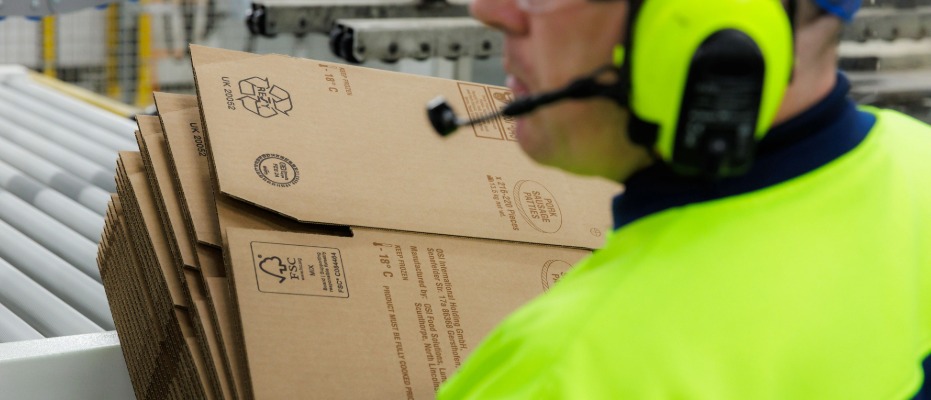
Many retailers are considering recyclable, renewable or reusable materials as part of their packaging strategies. These choices can help businesses respond to customer expectations and applicable regulations.
Important stat: Important stat: 65% of UK beauty and personal care shoppers agree brands should be more transparent about the environmental impact of their products (Mintel).
What works: Replacing plastic, bubble wrap and other non-recyclable materials with paper-based cushioning or corrugated alternatives that offer the same protection, without the environmental cost.
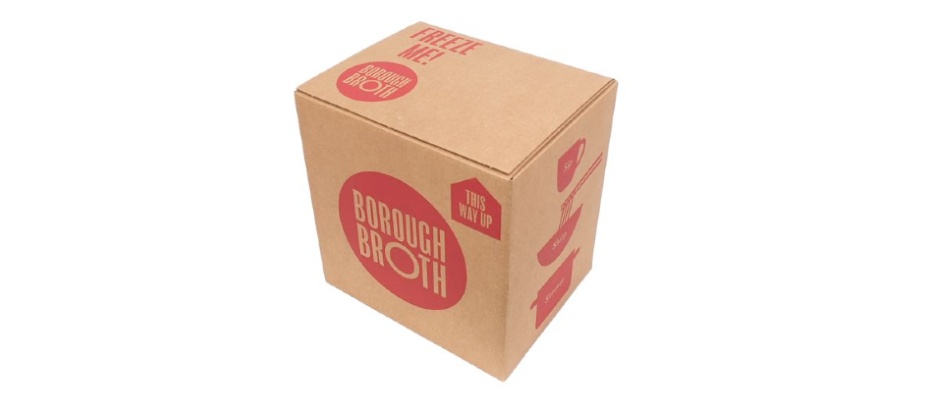
Real-world example: Borough Broth replaced wool insulation with sustainable packaging for its chilled deliveries, improving thermal performance, enhancing brand presentation, and cutting the environmental impact of every shipment.
How are brands using packaging as a marketing tool for Black Friday 2026?
Packaging is increasingly being considered as an extension of a brand, rather than simply a way to protect and deliver a product. For Black Friday 2026, retailers can use packaging to complement the experience customers encounter across advertising, websites, physical stores and social media. Seasonal packaging is one option, with campaign-specific designs helping products stand out during a competitive sales period.
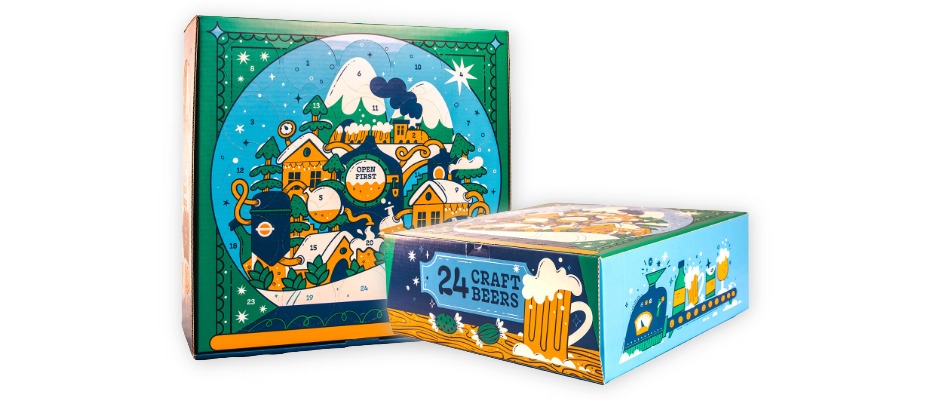
Brand consistency is also an important consideration. Packaging that reflects a brand's established visual identity can help create a more recognisable experience across different customer touchpoints.
As online and offline retail continue to overlap, businesses are exploring ways to coordinate their marketing activity across channels. Customer retention rates are 90% higher for omnichannel marketing compared to single-channel marketing (PGM) - and brands are taking advantage of that.
Final thought: Packaging that performs during peak season
This year’s Black Friday trends highlight the different roles packaging can play, from helping businesses assess material use and fulfilment efficiency to supporting product protection, brand consistency and sustainability objectives. Rather than treating packaging as an afterthought, retailers can consider how its design, materials and performance fit into their wider operational and customer-experience strategies.

Right-sized designs, appropriate materials, considered print, and effective product protection each offer opportunities to improve packaging performance. The right approach depends on the product, supply chain, customer expectations, and applicable regulations.
By evaluating these factors together, businesses can make more informed packaging decisions for Black Friday and beyond.
Ready to raise your packaging game?
Talk to our team about how bespoke, sustainable, and courier-ready ecommerce packaging can help you evaluate packaging options for peak-season performance, product protection and material efficiency.